%20%20--%3E%0A%3Csvg%20version%3D%221.1%22%20xmlns%3D%22http%3A%2F%2Fwww.w3.org%2F2000%2Fsvg%22%20xmlns%3Axlink%3D%22http%3A%2F%2Fwww.w3.org%2F1999%2Fxlink%22%20x%3D%220px%22%20y%3D%220px%22%0A%09%20viewBox%3D%220%200%20975.8%20200%22%20style%3D%22enable-background%3Anew%200%200%20975.8%20200%3B%22%20xml%3Aspace%3D%22preserve%22%3E%0A%3Cstyle%20type%3D%22text%2Fcss%22%3E%0A%09.st0%7Bfill%3A%23231F20%3B%7D%0A%09.st1%7Bfill%3A%232F241D%3B%7D%0A%09.st2%7Bfill%3A%23FFC425%3B%7D%0A%09.st3%7Bfill%3A%23FFFFFF%3B%7D%0A%09.st4%7Bfill%3Anone%3B%7D%0A%09.st5%7Bfill%3A%23E55301%3B%7D%0A%3C%2Fstyle%3E%0A%3Cg%20id%3D%22Template%22%3E%0A%3C%2Fg%3E%0A%3Cg%20id%3D%22Layer_2%22%3E%0A%09%3Cpolygon%20class%3D%22st2%22%20points%3D%22158.4%2C158.6%20191%2C158.6%20191.3%2C52%20158.4%2C52%20%09%22%2F%3E%0A%09%3Cpath%20class%3D%22st2%22%20d%3D%22M382.3%2C52c-13.7%2C0.2-27.8%2C5.9-37%2C20.5V53.6h-32.4v105h32.4v-45.2c0-31.5%2C28.8-30.8%2C37-30.8V52z%22%2F%3E%0A%09%3Cpath%20class%3D%22st2%22%20d%3D%22M438%2C93.5c-7.5-2.6-19.2-4.6-19.2-11.4c0-3.5%2C3-6.2%2C10.3-6.2c10%2C0%2C21.5%2C6.8%2C24.6%2C11.2l21-13.4%0A%09%09C469.1%2C63%2C453.8%2C52%2C430.3%2C52c-22.4%2C0-42.9%2C9.4-42.9%2C31.6c0%2C22.6%2C28.5%2C29.7%2C36.1%2C32.3c7.5%2C2.6%2C19.4%2C4.6%2C19.4%2C11c0%2C4.8-4.1%2C7-12.1%2C7%0A%09%09c-11.9%2C0-24.4-9.9-26.2-14.5L382.3%2C134c5.2%2C11.9%2C21.5%2C24.6%2C48.2%2C24.6c26.9%2C0%2C43.8-11.2%2C43.8-32.7C474.3%2C103.9%2C445.8%2C96.2%2C438%2C93.5z%0A%09%09%22%2F%3E%0A%09%3Cpath%20class%3D%22st2%22%20d%3D%22M262.2%2C53c-3.9-0.8-8-1.3-12.3-1.3c0%2C0-0.1%2C0-0.1%2C0c0%2C0-0.1%2C0-0.1%2C0l0%2C0c-30.8%2C0.1-52.5%2C22.3-52.5%2C53.5%0A%09%09c0%2C30.5%2C21.8%2C53.5%2C52.7%2C53.5c8.6%2C0%2C16.6-4.4%2C23.5-7.7v7.7H306l0.2-53.5C306.2%2C78.3%2C287%2C58.1%2C262.2%2C53z%20M249.8%2C128.3%0A%09%09c-13.2%2C0-21.8-10-21.8-23.2c0-13.1%2C8.6-22.9%2C21.8-22.9c13%2C0%2C21.4%2C9.8%2C21.4%2C22.9C271.2%2C118.3%2C262.8%2C128.3%2C249.8%2C128.3z%22%2F%3E%0A%09%3Cg%3E%0A%09%09%3Cg%3E%0A%09%09%09%3Cpath%20class%3D%22st3%22%20d%3D%22M174.8%2C35.6c-4.4%2C0-8.5%2C1.2-12.1%2C3.2c-1.1%2C0.6-2.1%2C1.4-3.1%2C2.2c4.1%2C3.5%2C9.4%2C5.7%2C15.3%2C5.7s11.2-2.1%2C15.3-5.7%0A%09%09%09%09c-1-0.8-2-1.5-3.1-2.2C183.4%2C36.8%2C179.3%2C35.6%2C174.8%2C35.6z%22%2F%3E%0A%09%09%3C%2Fg%3E%0A%09%09%3Cg%3E%0A%09%09%09%3Cpath%20class%3D%22st3%22%20d%3D%22M174.8%2C11c4.4%2C0%2C8.5-1.2%2C12.1-3.2c1.1-0.6%2C2.1-1.4%2C3.1-2.2C186%2C2.1%2C180.7%2C0%2C174.8%2C0s-11.2%2C2.1-15.3%2C5.7%0A%09%09%09%09c1%2C0.8%2C2%2C1.5%2C3.1%2C2.2C166.3%2C9.9%2C170.4%2C11%2C174.8%2C11z%22%2F%3E%0A%09%09%3C%2Fg%3E%0A%09%09%3Cg%3E%0A%09%09%09%3Cpath%20class%3D%22st3%22%20d%3D%22M174.8%2C30.7c5.8%2C0%2C11.1%2C1.7%2C15.7%2C4.5c1%2C0.7%2C2%2C1.4%2C3%2C2.2c3-3.9%2C4.7-8.8%2C4.7-14c0-5.3-1.8-10.1-4.7-14.1%0A%09%09%09%09c-0.9%2C0.8-1.9%2C1.5-3%2C2.2c-4.5%2C2.9-9.9%2C4.5-15.7%2C4.5c-5.8%2C0-11.1-1.7-15.7-4.5c-1-0.7-2-1.4-3-2.2c-3%2C3.9-4.7%2C8.8-4.7%2C14.1%0A%09%09%09%09c0%2C5.3%2C1.8%2C10.1%2C4.7%2C14c0.9-0.8%2C1.9-1.5%2C3-2.2C163.7%2C32.4%2C169.1%2C30.7%2C174.8%2C30.7z%22%2F%3E%0A%09%09%3C%2Fg%3E%0A%09%3C%2Fg%3E%0A%09%3Cg%3E%0A%09%09%3Cpath%20class%3D%22st3%22%20d%3D%22M527.6%2C74.2c35.2%2C0%2C40.2%2C15.7%2C40.2%2C26.3v2.1c0%2C10.5-5%2C26.6-40.2%2C26.6h-3.4c-35.1%2C0-40.1-16.1-40.1-26.6v-2.1%0A%09%09%09c0-10.6%2C5-26.3%2C40.1-26.3H527.6z%20M525.9%2C89.9c-13.7%2C0-17%2C6-17%2C11.1v0.9c0%2C5.2%2C3.6%2C11.6%2C17%2C11.6s17-6.3%2C17-11.5v-1%0A%09%09%09C542.9%2C95.9%2C539.3%2C89.9%2C525.9%2C89.9z%22%2F%3E%0A%09%09%3Cpath%20class%3D%22st3%22%20d%3D%22M598.6%2C75.2l27.6%2C26.8V75.2h24v53.1h-24.4l-30.3-29.1v29.1h-24V75.2H598.6z%22%2F%3E%0A%09%09%3Cpath%20class%3D%22st3%22%20d%3D%22M676.8%2C75.2h54.7c15.9%2C0%2C19.9%2C5.9%2C19.9%2C12v0.6c0%2C6.3-5.5%2C9.6-10%2C10.5c5.9%2C1.1%2C13.1%2C4.4%2C13.1%2C13.9v0.7%0A%09%09%09c0%2C8.4-5.5%2C15.5-22.9%2C15.5h-54.8V75.2z%20M700.9%2C88.2v6.2h21c3.8%2C0%2C5.1-1.1%2C5.1-3.1v-0.1c0-2.1-1.3-3-5.1-3H700.9z%20M700.9%2C107.1v7.7%0A%09%09%09h22.2c4.9%2C0%2C5.9-1.9%2C5.9-3.9v-0.1c0-2.1-1.1-3.6-5.9-3.6H700.9z%22%2F%3E%0A%09%09%3Cpath%20class%3D%22st3%22%20d%3D%22M807.6%2C120.9h-28.3l-3.3%2C7.4h-24.3l25.6-53.1h33.3l27.2%2C53.1H811L807.6%2C120.9z%20M793.2%2C89.9l-7.4%2C16.4h15%0A%09%09%09L793.2%2C89.9z%22%2F%3E%0A%09%09%3Cpath%20class%3D%22st3%22%20d%3D%22M833.8%2C110.6V110h27.6c0.1%2C2.5%2C1.3%2C6.5%2C10.6%2C6.5h0.3c8.6%2C0%2C10.3-2.1%2C10.3-4.3v-0.1c0-2.1-1-4-11.1-4.3%0A%09%09%09l-10.6-0.3c-21.3-0.6-26.3-8.1-26.3-16.5v-0.6c0-9.4%2C7.1-16.1%2C32.3-16.1h7.9c27.6%2C0%2C33.9%2C7.9%2C33.9%2C16.7v0.5h-27.1%0A%09%09%09c-0.1-1.9-1.2-4.9-10.2-4.9H871c-8.3%2C0-9.4%2C1.4-9.4%2C3.4v0.1c0%2C2.1%2C1.9%2C3.4%2C10.9%2C3.6l10.1%2C0.2c20.5%2C0.5%2C28.1%2C5.4%2C28.1%2C16.2v1%0A%09%09%09c0%2C9.2-5.6%2C18.3-34.8%2C18.3h-8.1C836.9%2C129.3%2C833.8%2C117.5%2C833.8%2C110.6z%22%2F%3E%0A%09%09%3Cpath%20class%3D%22st3%22%20d%3D%22M975.5%2C75.2v14.1h-38v5.2h37.4v13.9h-37.4v5.8h38.3v14.2h-62.1V75.2H975.5z%22%2F%3E%0A%09%3C%2Fg%3E%0A%09%3Cpath%20class%3D%22st2%22%20d%3D%22M115.4%2C72.5V53.6H83v105h32.4v-45.2c0-31.5%2C28.8-30.8%2C37-30.8V52C138.7%2C52.2%2C124.5%2C57.9%2C115.4%2C72.5z%22%2F%3E%0A%09%3Cpath%20class%3D%22st2%22%20d%3D%22M76.9%2C78V53.6H54.8v-5.7c0-8.4%2C4.3-12.6%2C12.8-12.6h11.9l25.1-25.1v0H79.4H57.1c-23.3%2C0-34.9%2C12.3-34.9%2C35.6%0A%09%09v7.8H0V78h22.1v80.6h32.6V78H76.9z%22%2F%3E%0A%3C%2Fg%3E%0A%3C%2Fsvg%3E%0A)

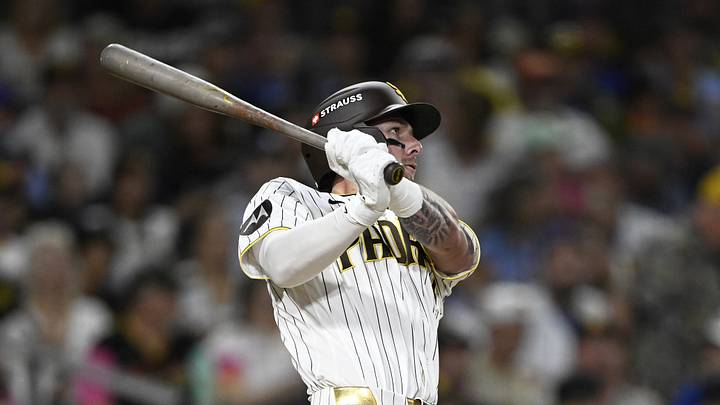
The Padres aren’t going to get bonus runs in October for developing their own players. A.J. Preller’s job is to build a winner, and San Diego just reached the postseason for a franchise-record third consecutive year. The construction has been known to be loud, expensive and occasionally chaotic, but it worked.
It might be obvious, but the Padres cannot keep outsourcing nearly an entire playoff roster and call it a sustainable model.
MLB Pipeline’s breakdown of the 2026 postseason field credits San Diego with six homegrown players worth 9.1 WAR. That’s double the three homegrown players on the Padres’ 2022 playoff roster, and a massive improvement over the 0.6 WAR that trio produced.
It’s real progress that those players are no longer occupying the final few seats on Preller’s postseason bus. Now they’re helping drive it. But the rest of the roster tells us how much work remains.
Twelve players arrived through free agency, the most among this year’s playoff teams. Eight more came through trades. So 20 of the projected 26 postseason players were acquired from outside the organization.
The Padres have become better at producing their own talent. They still build most of the team by shopping elsewhere.
A.J. Preller’s trades still power the Padres
Preller’s fingerprints are all over this roster because they are supposed to be. Fernando Tatis Jr., Michael King, Mason Miller and Robbie Ray were acquired in trades. According to MLB Pipeline, those four rank among the six most valuable players on the current roster by WAR. Manny Machado and Xander Bogaerts headline the free-agent side of the operation.
The Padres have turned roster churn into a competitive skill. It’s impressive and exhausting at the same time. Every outside solution carries a cost. Sometimes it’s money, prospects or another year added to the back of a contract. Usually, it is some combination of all three.
When the farm system cannot supply enough major-league answers, the front office has to keep winning trades, landing bargains and talking veterans into San Diego. Preller has done that well enough to produce three straight playoff appearances. We shouldn’t confuse his ability to survive that degree of difficulty with proof that the degree of difficulty is healthy.
The Padres ranked 10th among the 12 postseason clubs with 39.0 total WAR. They built a playoff team, but they needed 20 outside acquisitions to do it.
Jackson Merrill and Ethan Salas can change the equation
Jackson Merrill represents what the Padres need more often. A homegrown star creates payroll flexibility, preserves prospect capital and makes the rest of the roster easier to build. That’s also why Ethan Salas matters beyond his age, prospect ranking or immediate postseason role.
The same applies to the next guy coming through the system. Not every homegrown player needs to become Merrill. The Padres simply need enough of them to calm the annual shopping spree.
The 2022 Padres had three homegrown postseason players. Four years later, they have six producing more than 15 times as much WAR. The organization deserves credit for moving in the right direction.
 Add us as a preferred source on Google