%20%20--%3E%0A%3Csvg%20version%3D%221.1%22%20xmlns%3D%22http%3A%2F%2Fwww.w3.org%2F2000%2Fsvg%22%20xmlns%3Axlink%3D%22http%3A%2F%2Fwww.w3.org%2F1999%2Fxlink%22%20x%3D%220px%22%20y%3D%220px%22%0A%09%20viewBox%3D%220%200%20975.8%20200%22%20style%3D%22enable-background%3Anew%200%200%20975.8%20200%3B%22%20xml%3Aspace%3D%22preserve%22%3E%0A%3Cstyle%20type%3D%22text%2Fcss%22%3E%0A%09.st0%7Bfill%3A%23231F20%3B%7D%0A%09.st1%7Bfill%3A%232F241D%3B%7D%0A%09.st2%7Bfill%3A%23FFC425%3B%7D%0A%09.st3%7Bfill%3A%23FFFFFF%3B%7D%0A%09.st4%7Bfill%3Anone%3B%7D%0A%09.st5%7Bfill%3A%23E55301%3B%7D%0A%3C%2Fstyle%3E%0A%3Cg%20id%3D%22Template%22%3E%0A%3C%2Fg%3E%0A%3Cg%20id%3D%22Layer_2%22%3E%0A%09%3Cpolygon%20class%3D%22st2%22%20points%3D%22158.4%2C158.6%20191%2C158.6%20191.3%2C52%20158.4%2C52%20%09%22%2F%3E%0A%09%3Cpath%20class%3D%22st2%22%20d%3D%22M382.3%2C52c-13.7%2C0.2-27.8%2C5.9-37%2C20.5V53.6h-32.4v105h32.4v-45.2c0-31.5%2C28.8-30.8%2C37-30.8V52z%22%2F%3E%0A%09%3Cpath%20class%3D%22st2%22%20d%3D%22M438%2C93.5c-7.5-2.6-19.2-4.6-19.2-11.4c0-3.5%2C3-6.2%2C10.3-6.2c10%2C0%2C21.5%2C6.8%2C24.6%2C11.2l21-13.4%0A%09%09C469.1%2C63%2C453.8%2C52%2C430.3%2C52c-22.4%2C0-42.9%2C9.4-42.9%2C31.6c0%2C22.6%2C28.5%2C29.7%2C36.1%2C32.3c7.5%2C2.6%2C19.4%2C4.6%2C19.4%2C11c0%2C4.8-4.1%2C7-12.1%2C7%0A%09%09c-11.9%2C0-24.4-9.9-26.2-14.5L382.3%2C134c5.2%2C11.9%2C21.5%2C24.6%2C48.2%2C24.6c26.9%2C0%2C43.8-11.2%2C43.8-32.7C474.3%2C103.9%2C445.8%2C96.2%2C438%2C93.5z%0A%09%09%22%2F%3E%0A%09%3Cpath%20class%3D%22st2%22%20d%3D%22M262.2%2C53c-3.9-0.8-8-1.3-12.3-1.3c0%2C0-0.1%2C0-0.1%2C0c0%2C0-0.1%2C0-0.1%2C0l0%2C0c-30.8%2C0.1-52.5%2C22.3-52.5%2C53.5%0A%09%09c0%2C30.5%2C21.8%2C53.5%2C52.7%2C53.5c8.6%2C0%2C16.6-4.4%2C23.5-7.7v7.7H306l0.2-53.5C306.2%2C78.3%2C287%2C58.1%2C262.2%2C53z%20M249.8%2C128.3%0A%09%09c-13.2%2C0-21.8-10-21.8-23.2c0-13.1%2C8.6-22.9%2C21.8-22.9c13%2C0%2C21.4%2C9.8%2C21.4%2C22.9C271.2%2C118.3%2C262.8%2C128.3%2C249.8%2C128.3z%22%2F%3E%0A%09%3Cg%3E%0A%09%09%3Cg%3E%0A%09%09%09%3Cpath%20class%3D%22st3%22%20d%3D%22M174.8%2C35.6c-4.4%2C0-8.5%2C1.2-12.1%2C3.2c-1.1%2C0.6-2.1%2C1.4-3.1%2C2.2c4.1%2C3.5%2C9.4%2C5.7%2C15.3%2C5.7s11.2-2.1%2C15.3-5.7%0A%09%09%09%09c-1-0.8-2-1.5-3.1-2.2C183.4%2C36.8%2C179.3%2C35.6%2C174.8%2C35.6z%22%2F%3E%0A%09%09%3C%2Fg%3E%0A%09%09%3Cg%3E%0A%09%09%09%3Cpath%20class%3D%22st3%22%20d%3D%22M174.8%2C11c4.4%2C0%2C8.5-1.2%2C12.1-3.2c1.1-0.6%2C2.1-1.4%2C3.1-2.2C186%2C2.1%2C180.7%2C0%2C174.8%2C0s-11.2%2C2.1-15.3%2C5.7%0A%09%09%09%09c1%2C0.8%2C2%2C1.5%2C3.1%2C2.2C166.3%2C9.9%2C170.4%2C11%2C174.8%2C11z%22%2F%3E%0A%09%09%3C%2Fg%3E%0A%09%09%3Cg%3E%0A%09%09%09%3Cpath%20class%3D%22st3%22%20d%3D%22M174.8%2C30.7c5.8%2C0%2C11.1%2C1.7%2C15.7%2C4.5c1%2C0.7%2C2%2C1.4%2C3%2C2.2c3-3.9%2C4.7-8.8%2C4.7-14c0-5.3-1.8-10.1-4.7-14.1%0A%09%09%09%09c-0.9%2C0.8-1.9%2C1.5-3%2C2.2c-4.5%2C2.9-9.9%2C4.5-15.7%2C4.5c-5.8%2C0-11.1-1.7-15.7-4.5c-1-0.7-2-1.4-3-2.2c-3%2C3.9-4.7%2C8.8-4.7%2C14.1%0A%09%09%09%09c0%2C5.3%2C1.8%2C10.1%2C4.7%2C14c0.9-0.8%2C1.9-1.5%2C3-2.2C163.7%2C32.4%2C169.1%2C30.7%2C174.8%2C30.7z%22%2F%3E%0A%09%09%3C%2Fg%3E%0A%09%3C%2Fg%3E%0A%09%3Cg%3E%0A%09%09%3Cpath%20class%3D%22st3%22%20d%3D%22M527.6%2C74.2c35.2%2C0%2C40.2%2C15.7%2C40.2%2C26.3v2.1c0%2C10.5-5%2C26.6-40.2%2C26.6h-3.4c-35.1%2C0-40.1-16.1-40.1-26.6v-2.1%0A%09%09%09c0-10.6%2C5-26.3%2C40.1-26.3H527.6z%20M525.9%2C89.9c-13.7%2C0-17%2C6-17%2C11.1v0.9c0%2C5.2%2C3.6%2C11.6%2C17%2C11.6s17-6.3%2C17-11.5v-1%0A%09%09%09C542.9%2C95.9%2C539.3%2C89.9%2C525.9%2C89.9z%22%2F%3E%0A%09%09%3Cpath%20class%3D%22st3%22%20d%3D%22M598.6%2C75.2l27.6%2C26.8V75.2h24v53.1h-24.4l-30.3-29.1v29.1h-24V75.2H598.6z%22%2F%3E%0A%09%09%3Cpath%20class%3D%22st3%22%20d%3D%22M676.8%2C75.2h54.7c15.9%2C0%2C19.9%2C5.9%2C19.9%2C12v0.6c0%2C6.3-5.5%2C9.6-10%2C10.5c5.9%2C1.1%2C13.1%2C4.4%2C13.1%2C13.9v0.7%0A%09%09%09c0%2C8.4-5.5%2C15.5-22.9%2C15.5h-54.8V75.2z%20M700.9%2C88.2v6.2h21c3.8%2C0%2C5.1-1.1%2C5.1-3.1v-0.1c0-2.1-1.3-3-5.1-3H700.9z%20M700.9%2C107.1v7.7%0A%09%09%09h22.2c4.9%2C0%2C5.9-1.9%2C5.9-3.9v-0.1c0-2.1-1.1-3.6-5.9-3.6H700.9z%22%2F%3E%0A%09%09%3Cpath%20class%3D%22st3%22%20d%3D%22M807.6%2C120.9h-28.3l-3.3%2C7.4h-24.3l25.6-53.1h33.3l27.2%2C53.1H811L807.6%2C120.9z%20M793.2%2C89.9l-7.4%2C16.4h15%0A%09%09%09L793.2%2C89.9z%22%2F%3E%0A%09%09%3Cpath%20class%3D%22st3%22%20d%3D%22M833.8%2C110.6V110h27.6c0.1%2C2.5%2C1.3%2C6.5%2C10.6%2C6.5h0.3c8.6%2C0%2C10.3-2.1%2C10.3-4.3v-0.1c0-2.1-1-4-11.1-4.3%0A%09%09%09l-10.6-0.3c-21.3-0.6-26.3-8.1-26.3-16.5v-0.6c0-9.4%2C7.1-16.1%2C32.3-16.1h7.9c27.6%2C0%2C33.9%2C7.9%2C33.9%2C16.7v0.5h-27.1%0A%09%09%09c-0.1-1.9-1.2-4.9-10.2-4.9H871c-8.3%2C0-9.4%2C1.4-9.4%2C3.4v0.1c0%2C2.1%2C1.9%2C3.4%2C10.9%2C3.6l10.1%2C0.2c20.5%2C0.5%2C28.1%2C5.4%2C28.1%2C16.2v1%0A%09%09%09c0%2C9.2-5.6%2C18.3-34.8%2C18.3h-8.1C836.9%2C129.3%2C833.8%2C117.5%2C833.8%2C110.6z%22%2F%3E%0A%09%09%3Cpath%20class%3D%22st3%22%20d%3D%22M975.5%2C75.2v14.1h-38v5.2h37.4v13.9h-37.4v5.8h38.3v14.2h-62.1V75.2H975.5z%22%2F%3E%0A%09%3C%2Fg%3E%0A%09%3Cpath%20class%3D%22st2%22%20d%3D%22M115.4%2C72.5V53.6H83v105h32.4v-45.2c0-31.5%2C28.8-30.8%2C37-30.8V52C138.7%2C52.2%2C124.5%2C57.9%2C115.4%2C72.5z%22%2F%3E%0A%09%3Cpath%20class%3D%22st2%22%20d%3D%22M76.9%2C78V53.6H54.8v-5.7c0-8.4%2C4.3-12.6%2C12.8-12.6h11.9l25.1-25.1v0H79.4H57.1c-23.3%2C0-34.9%2C12.3-34.9%2C35.6%0A%09%09v7.8H0V78h22.1v80.6h32.6V78H76.9z%22%2F%3E%0A%3C%2Fg%3E%0A%3C%2Fsvg%3E%0A)

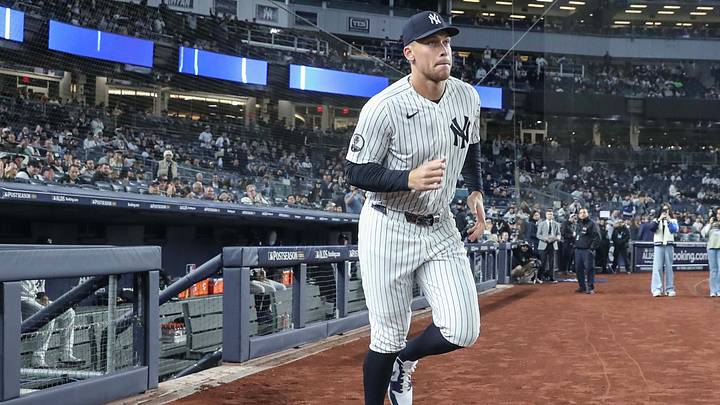
Aaron Judge in a Padres uniform would have been an easy sell to their fans. Put that bat in the middle of their lineup and make it the rest of the National League’s problem. To be fair, the harder part would have been paying for the resources around him.
That question deserves another look now that the Yankees are heading into an offseason of offensive soul-searching. Judge stayed in New York on a nine-year, $360 million contract. Four seasons into that agreement, the Yankees still have an offense their owner wants answers about.
We can appreciate the player that Judge is, and still be relieved the Padres never had to find out how much that commitment would squeeze the rest of their roster.
Gary Phillips of the New York Daily News reported that Hal Steinbrenner criticized the Yankees’ bats while again backing Brian Cashman and Aaron Boone. Coaching, hitting philosophy and lineup changes are all under examination. Judge missed the postseason with a calf strain after a fractured rib had already cost him a substantial chunk of the summer.
And there lies the uncomfortable part of buying a franchise player. The franchise still needs to function when he’s unable to play.
The Padres’ Aaron Judge dream came with a much bigger roster question
San Diego’s pursuit was legit, although contemporary reporting disputed whether a formal $400 million offer ever materialized. The exact negotiating number doesn’t matter in this argument. Landing Judge would have required an enormous, lengthy commitment. Every subsequent offseason would have unfolded with that obligation on the books.
For the Padres, the rotation makes that tradeoff feel awfully real. Put Judge’s salary on the books, and every dollar needed to shore up the starting pitching would have been harder to find. We could have had a big bat in the lineup and still spent the offseason wondering who would get through six innings. Judge would’ve raised the ceiling. San Diego still would have been stuck needing to afford the arms to reach it.
We don’t get to pencil Judge into San Diego’s batting order, keep every other desirable player and pretend the budget expands whenever the exercise becomes inconvenient.
He could have transformed the offense. He also would have made the consequences of getting the supporting cast wrong considerably more expensive. New York is providing a demonstration that not only the Padres ownership should be paying attention to. When Judge was unavailable, the Yankees needed other hitters to carry the load. Their owner’s assessment tells us how satisfied he was with the result.
Missing on Judge deserves a more honest reassessment
Bring in the analytics and the discussion adds another layer. In the excerpts Phillips shared, he described Yankees hitters as generally less receptive to data than their pitching counterparts. That raises questions about instruction, communication and preparation. It doesn’t establish Judge’s personal views, much less tell us whether he would have enjoyed San Diego’s clubhouse. We can go down that road another time. The stronger point is that even a lineup built around Judge can reach the postseason with serious unresolved weaknesses.
Calling his contract a disaster goes further than this evidence supports. Calling the Padres fortunate to have avoided another enormous financial obligation is a defensible argument, provided we also demand that they use that room productively.
 Add us as a preferred source on Google