%20%20--%3E%0A%3Csvg%20version%3D%221.1%22%20xmlns%3D%22http%3A%2F%2Fwww.w3.org%2F2000%2Fsvg%22%20xmlns%3Axlink%3D%22http%3A%2F%2Fwww.w3.org%2F1999%2Fxlink%22%20x%3D%220px%22%20y%3D%220px%22%0A%09%20viewBox%3D%220%200%20975.8%20200%22%20style%3D%22enable-background%3Anew%200%200%20975.8%20200%3B%22%20xml%3Aspace%3D%22preserve%22%3E%0A%3Cstyle%20type%3D%22text%2Fcss%22%3E%0A%09.st0%7Bfill%3A%23231F20%3B%7D%0A%09.st1%7Bfill%3A%232F241D%3B%7D%0A%09.st2%7Bfill%3A%23FFC425%3B%7D%0A%09.st3%7Bfill%3A%23FFFFFF%3B%7D%0A%09.st4%7Bfill%3Anone%3B%7D%0A%09.st5%7Bfill%3A%23E55301%3B%7D%0A%3C%2Fstyle%3E%0A%3Cg%20id%3D%22Template%22%3E%0A%3C%2Fg%3E%0A%3Cg%20id%3D%22Layer_2%22%3E%0A%09%3Cpolygon%20class%3D%22st2%22%20points%3D%22158.4%2C158.6%20191%2C158.6%20191.3%2C52%20158.4%2C52%20%09%22%2F%3E%0A%09%3Cpath%20class%3D%22st2%22%20d%3D%22M382.3%2C52c-13.7%2C0.2-27.8%2C5.9-37%2C20.5V53.6h-32.4v105h32.4v-45.2c0-31.5%2C28.8-30.8%2C37-30.8V52z%22%2F%3E%0A%09%3Cpath%20class%3D%22st2%22%20d%3D%22M438%2C93.5c-7.5-2.6-19.2-4.6-19.2-11.4c0-3.5%2C3-6.2%2C10.3-6.2c10%2C0%2C21.5%2C6.8%2C24.6%2C11.2l21-13.4%0A%09%09C469.1%2C63%2C453.8%2C52%2C430.3%2C52c-22.4%2C0-42.9%2C9.4-42.9%2C31.6c0%2C22.6%2C28.5%2C29.7%2C36.1%2C32.3c7.5%2C2.6%2C19.4%2C4.6%2C19.4%2C11c0%2C4.8-4.1%2C7-12.1%2C7%0A%09%09c-11.9%2C0-24.4-9.9-26.2-14.5L382.3%2C134c5.2%2C11.9%2C21.5%2C24.6%2C48.2%2C24.6c26.9%2C0%2C43.8-11.2%2C43.8-32.7C474.3%2C103.9%2C445.8%2C96.2%2C438%2C93.5z%0A%09%09%22%2F%3E%0A%09%3Cpath%20class%3D%22st2%22%20d%3D%22M262.2%2C53c-3.9-0.8-8-1.3-12.3-1.3c0%2C0-0.1%2C0-0.1%2C0c0%2C0-0.1%2C0-0.1%2C0l0%2C0c-30.8%2C0.1-52.5%2C22.3-52.5%2C53.5%0A%09%09c0%2C30.5%2C21.8%2C53.5%2C52.7%2C53.5c8.6%2C0%2C16.6-4.4%2C23.5-7.7v7.7H306l0.2-53.5C306.2%2C78.3%2C287%2C58.1%2C262.2%2C53z%20M249.8%2C128.3%0A%09%09c-13.2%2C0-21.8-10-21.8-23.2c0-13.1%2C8.6-22.9%2C21.8-22.9c13%2C0%2C21.4%2C9.8%2C21.4%2C22.9C271.2%2C118.3%2C262.8%2C128.3%2C249.8%2C128.3z%22%2F%3E%0A%09%3Cg%3E%0A%09%09%3Cg%3E%0A%09%09%09%3Cpath%20class%3D%22st3%22%20d%3D%22M174.8%2C35.6c-4.4%2C0-8.5%2C1.2-12.1%2C3.2c-1.1%2C0.6-2.1%2C1.4-3.1%2C2.2c4.1%2C3.5%2C9.4%2C5.7%2C15.3%2C5.7s11.2-2.1%2C15.3-5.7%0A%09%09%09%09c-1-0.8-2-1.5-3.1-2.2C183.4%2C36.8%2C179.3%2C35.6%2C174.8%2C35.6z%22%2F%3E%0A%09%09%3C%2Fg%3E%0A%09%09%3Cg%3E%0A%09%09%09%3Cpath%20class%3D%22st3%22%20d%3D%22M174.8%2C11c4.4%2C0%2C8.5-1.2%2C12.1-3.2c1.1-0.6%2C2.1-1.4%2C3.1-2.2C186%2C2.1%2C180.7%2C0%2C174.8%2C0s-11.2%2C2.1-15.3%2C5.7%0A%09%09%09%09c1%2C0.8%2C2%2C1.5%2C3.1%2C2.2C166.3%2C9.9%2C170.4%2C11%2C174.8%2C11z%22%2F%3E%0A%09%09%3C%2Fg%3E%0A%09%09%3Cg%3E%0A%09%09%09%3Cpath%20class%3D%22st3%22%20d%3D%22M174.8%2C30.7c5.8%2C0%2C11.1%2C1.7%2C15.7%2C4.5c1%2C0.7%2C2%2C1.4%2C3%2C2.2c3-3.9%2C4.7-8.8%2C4.7-14c0-5.3-1.8-10.1-4.7-14.1%0A%09%09%09%09c-0.9%2C0.8-1.9%2C1.5-3%2C2.2c-4.5%2C2.9-9.9%2C4.5-15.7%2C4.5c-5.8%2C0-11.1-1.7-15.7-4.5c-1-0.7-2-1.4-3-2.2c-3%2C3.9-4.7%2C8.8-4.7%2C14.1%0A%09%09%09%09c0%2C5.3%2C1.8%2C10.1%2C4.7%2C14c0.9-0.8%2C1.9-1.5%2C3-2.2C163.7%2C32.4%2C169.1%2C30.7%2C174.8%2C30.7z%22%2F%3E%0A%09%09%3C%2Fg%3E%0A%09%3C%2Fg%3E%0A%09%3Cg%3E%0A%09%09%3Cpath%20class%3D%22st3%22%20d%3D%22M527.6%2C74.2c35.2%2C0%2C40.2%2C15.7%2C40.2%2C26.3v2.1c0%2C10.5-5%2C26.6-40.2%2C26.6h-3.4c-35.1%2C0-40.1-16.1-40.1-26.6v-2.1%0A%09%09%09c0-10.6%2C5-26.3%2C40.1-26.3H527.6z%20M525.9%2C89.9c-13.7%2C0-17%2C6-17%2C11.1v0.9c0%2C5.2%2C3.6%2C11.6%2C17%2C11.6s17-6.3%2C17-11.5v-1%0A%09%09%09C542.9%2C95.9%2C539.3%2C89.9%2C525.9%2C89.9z%22%2F%3E%0A%09%09%3Cpath%20class%3D%22st3%22%20d%3D%22M598.6%2C75.2l27.6%2C26.8V75.2h24v53.1h-24.4l-30.3-29.1v29.1h-24V75.2H598.6z%22%2F%3E%0A%09%09%3Cpath%20class%3D%22st3%22%20d%3D%22M676.8%2C75.2h54.7c15.9%2C0%2C19.9%2C5.9%2C19.9%2C12v0.6c0%2C6.3-5.5%2C9.6-10%2C10.5c5.9%2C1.1%2C13.1%2C4.4%2C13.1%2C13.9v0.7%0A%09%09%09c0%2C8.4-5.5%2C15.5-22.9%2C15.5h-54.8V75.2z%20M700.9%2C88.2v6.2h21c3.8%2C0%2C5.1-1.1%2C5.1-3.1v-0.1c0-2.1-1.3-3-5.1-3H700.9z%20M700.9%2C107.1v7.7%0A%09%09%09h22.2c4.9%2C0%2C5.9-1.9%2C5.9-3.9v-0.1c0-2.1-1.1-3.6-5.9-3.6H700.9z%22%2F%3E%0A%09%09%3Cpath%20class%3D%22st3%22%20d%3D%22M807.6%2C120.9h-28.3l-3.3%2C7.4h-24.3l25.6-53.1h33.3l27.2%2C53.1H811L807.6%2C120.9z%20M793.2%2C89.9l-7.4%2C16.4h15%0A%09%09%09L793.2%2C89.9z%22%2F%3E%0A%09%09%3Cpath%20class%3D%22st3%22%20d%3D%22M833.8%2C110.6V110h27.6c0.1%2C2.5%2C1.3%2C6.5%2C10.6%2C6.5h0.3c8.6%2C0%2C10.3-2.1%2C10.3-4.3v-0.1c0-2.1-1-4-11.1-4.3%0A%09%09%09l-10.6-0.3c-21.3-0.6-26.3-8.1-26.3-16.5v-0.6c0-9.4%2C7.1-16.1%2C32.3-16.1h7.9c27.6%2C0%2C33.9%2C7.9%2C33.9%2C16.7v0.5h-27.1%0A%09%09%09c-0.1-1.9-1.2-4.9-10.2-4.9H871c-8.3%2C0-9.4%2C1.4-9.4%2C3.4v0.1c0%2C2.1%2C1.9%2C3.4%2C10.9%2C3.6l10.1%2C0.2c20.5%2C0.5%2C28.1%2C5.4%2C28.1%2C16.2v1%0A%09%09%09c0%2C9.2-5.6%2C18.3-34.8%2C18.3h-8.1C836.9%2C129.3%2C833.8%2C117.5%2C833.8%2C110.6z%22%2F%3E%0A%09%09%3Cpath%20class%3D%22st3%22%20d%3D%22M975.5%2C75.2v14.1h-38v5.2h37.4v13.9h-37.4v5.8h38.3v14.2h-62.1V75.2H975.5z%22%2F%3E%0A%09%3C%2Fg%3E%0A%09%3Cpath%20class%3D%22st2%22%20d%3D%22M115.4%2C72.5V53.6H83v105h32.4v-45.2c0-31.5%2C28.8-30.8%2C37-30.8V52C138.7%2C52.2%2C124.5%2C57.9%2C115.4%2C72.5z%22%2F%3E%0A%09%3Cpath%20class%3D%22st2%22%20d%3D%22M76.9%2C78V53.6H54.8v-5.7c0-8.4%2C4.3-12.6%2C12.8-12.6h11.9l25.1-25.1v0H79.4H57.1c-23.3%2C0-34.9%2C12.3-34.9%2C35.6%0A%09%09v7.8H0V78h22.1v80.6h32.6V78H76.9z%22%2F%3E%0A%3C%2Fg%3E%0A%3C%2Fsvg%3E%0A)

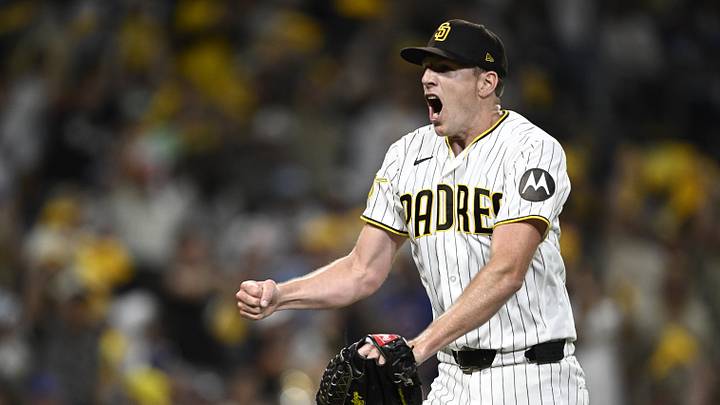
The Padres keep finding creative ways to get starting pitchers into San Diego. But keeping a rotation together requires another round of negotiations. That’s what comes with A.J. Preller’s contract ingenuity. Push salary into later seasons, give a pitcher a way to get out of it and tuck guaranteed money into an option buyout.
Then another offseason arrives, and we’re doing it all over again. We can appreciate Preller’s ability to get a deal done while expecting the Padres to build something that lasts. A contender should spend some offseasons adding to its rotation without having to rebuild the thing first.
Padres’ pitching contracts keep borrowing from next winter
Nick Pivetta’s original agreement makes the intentions easy to understand. His four-year, $55 million contract included a $3 million signing bonus and a $1 million salary in 2025. His salary jumped to $19 million in 2026, with opportunities to opt out after the second and third seasons.
That bought the Padres some breathing room. It also put a much larger salary on the following year’s books while giving Pivetta a path back to the market.
Pivetta’s 2027 option became a $14 million club option following his extended injury absence. So, the protection may work out this offseason. But it still leaves with a decision about his health, cost and how many innings they’ll get out of him next season. Even a carefully negotiated safeguard cannot fill out a pitching staff.
Michael King illustrates the other side of this approach. San Diego brought him back on a three-year, $75 million contract with opt-outs after each of the first two seasons. His salary rises from $5 million in 2026 to $28 million in 2027, alongside a separate signing bonus. The Padres secured another season with a pitcher they wanted. They also accepted the possibility of returning to the bargaining table a year later.
King’s previous deal shows how quickly that bill comes due. He declined his mutual option last November, leaving the Padres owing him a $3.75 million buyout and needing to negotiate for his innings all over again. That’s the catch with this whole thing. They can owe a pitcher millions without having his next start secured.
That money was part of the agreed price for his services. For roster planning, it’s a pretty simple consequence. A guaranteed payment can survive after the guaranteed innings have run out.
Backloading shifts the expense. Opt-outs give the players choices. And buyouts settle obligations. Each mechanism can help complete a sensible deal. Stack enough of them together, and the next winter starts with bills to pay and rotation spots to fill.
Ownership needs to budget for that cycle and Preller should try to reduce how often the Padres depend on it. Meaning, more starters with team control and developing pitchers capable of holding major-league jobs long enough to leave financial room to retain someone who succeeds. It also means accepting that an affordable first season can carry an expensive second act. Every time the Padres have to replace a starter, they spend money or give up players in a trade. That leaves less to fix the lineup, improve the bench or build a pitching staff that can handle a few injuries.
 Add us as a preferred source on Google