%20%20--%3E%0A%3Csvg%20version%3D%221.1%22%20xmlns%3D%22http%3A%2F%2Fwww.w3.org%2F2000%2Fsvg%22%20xmlns%3Axlink%3D%22http%3A%2F%2Fwww.w3.org%2F1999%2Fxlink%22%20x%3D%220px%22%20y%3D%220px%22%0A%09%20viewBox%3D%220%200%20975.8%20200%22%20style%3D%22enable-background%3Anew%200%200%20975.8%20200%3B%22%20xml%3Aspace%3D%22preserve%22%3E%0A%3Cstyle%20type%3D%22text%2Fcss%22%3E%0A%09.st0%7Bfill%3A%23231F20%3B%7D%0A%09.st1%7Bfill%3A%232F241D%3B%7D%0A%09.st2%7Bfill%3A%23FFC425%3B%7D%0A%09.st3%7Bfill%3A%23FFFFFF%3B%7D%0A%09.st4%7Bfill%3Anone%3B%7D%0A%09.st5%7Bfill%3A%23E55301%3B%7D%0A%3C%2Fstyle%3E%0A%3Cg%20id%3D%22Template%22%3E%0A%3C%2Fg%3E%0A%3Cg%20id%3D%22Layer_2%22%3E%0A%09%3Cpolygon%20class%3D%22st2%22%20points%3D%22158.4%2C158.6%20191%2C158.6%20191.3%2C52%20158.4%2C52%20%09%22%2F%3E%0A%09%3Cpath%20class%3D%22st2%22%20d%3D%22M382.3%2C52c-13.7%2C0.2-27.8%2C5.9-37%2C20.5V53.6h-32.4v105h32.4v-45.2c0-31.5%2C28.8-30.8%2C37-30.8V52z%22%2F%3E%0A%09%3Cpath%20class%3D%22st2%22%20d%3D%22M438%2C93.5c-7.5-2.6-19.2-4.6-19.2-11.4c0-3.5%2C3-6.2%2C10.3-6.2c10%2C0%2C21.5%2C6.8%2C24.6%2C11.2l21-13.4%0A%09%09C469.1%2C63%2C453.8%2C52%2C430.3%2C52c-22.4%2C0-42.9%2C9.4-42.9%2C31.6c0%2C22.6%2C28.5%2C29.7%2C36.1%2C32.3c7.5%2C2.6%2C19.4%2C4.6%2C19.4%2C11c0%2C4.8-4.1%2C7-12.1%2C7%0A%09%09c-11.9%2C0-24.4-9.9-26.2-14.5L382.3%2C134c5.2%2C11.9%2C21.5%2C24.6%2C48.2%2C24.6c26.9%2C0%2C43.8-11.2%2C43.8-32.7C474.3%2C103.9%2C445.8%2C96.2%2C438%2C93.5z%0A%09%09%22%2F%3E%0A%09%3Cpath%20class%3D%22st2%22%20d%3D%22M262.2%2C53c-3.9-0.8-8-1.3-12.3-1.3c0%2C0-0.1%2C0-0.1%2C0c0%2C0-0.1%2C0-0.1%2C0l0%2C0c-30.8%2C0.1-52.5%2C22.3-52.5%2C53.5%0A%09%09c0%2C30.5%2C21.8%2C53.5%2C52.7%2C53.5c8.6%2C0%2C16.6-4.4%2C23.5-7.7v7.7H306l0.2-53.5C306.2%2C78.3%2C287%2C58.1%2C262.2%2C53z%20M249.8%2C128.3%0A%09%09c-13.2%2C0-21.8-10-21.8-23.2c0-13.1%2C8.6-22.9%2C21.8-22.9c13%2C0%2C21.4%2C9.8%2C21.4%2C22.9C271.2%2C118.3%2C262.8%2C128.3%2C249.8%2C128.3z%22%2F%3E%0A%09%3Cg%3E%0A%09%09%3Cg%3E%0A%09%09%09%3Cpath%20class%3D%22st3%22%20d%3D%22M174.8%2C35.6c-4.4%2C0-8.5%2C1.2-12.1%2C3.2c-1.1%2C0.6-2.1%2C1.4-3.1%2C2.2c4.1%2C3.5%2C9.4%2C5.7%2C15.3%2C5.7s11.2-2.1%2C15.3-5.7%0A%09%09%09%09c-1-0.8-2-1.5-3.1-2.2C183.4%2C36.8%2C179.3%2C35.6%2C174.8%2C35.6z%22%2F%3E%0A%09%09%3C%2Fg%3E%0A%09%09%3Cg%3E%0A%09%09%09%3Cpath%20class%3D%22st3%22%20d%3D%22M174.8%2C11c4.4%2C0%2C8.5-1.2%2C12.1-3.2c1.1-0.6%2C2.1-1.4%2C3.1-2.2C186%2C2.1%2C180.7%2C0%2C174.8%2C0s-11.2%2C2.1-15.3%2C5.7%0A%09%09%09%09c1%2C0.8%2C2%2C1.5%2C3.1%2C2.2C166.3%2C9.9%2C170.4%2C11%2C174.8%2C11z%22%2F%3E%0A%09%09%3C%2Fg%3E%0A%09%09%3Cg%3E%0A%09%09%09%3Cpath%20class%3D%22st3%22%20d%3D%22M174.8%2C30.7c5.8%2C0%2C11.1%2C1.7%2C15.7%2C4.5c1%2C0.7%2C2%2C1.4%2C3%2C2.2c3-3.9%2C4.7-8.8%2C4.7-14c0-5.3-1.8-10.1-4.7-14.1%0A%09%09%09%09c-0.9%2C0.8-1.9%2C1.5-3%2C2.2c-4.5%2C2.9-9.9%2C4.5-15.7%2C4.5c-5.8%2C0-11.1-1.7-15.7-4.5c-1-0.7-2-1.4-3-2.2c-3%2C3.9-4.7%2C8.8-4.7%2C14.1%0A%09%09%09%09c0%2C5.3%2C1.8%2C10.1%2C4.7%2C14c0.9-0.8%2C1.9-1.5%2C3-2.2C163.7%2C32.4%2C169.1%2C30.7%2C174.8%2C30.7z%22%2F%3E%0A%09%09%3C%2Fg%3E%0A%09%3C%2Fg%3E%0A%09%3Cg%3E%0A%09%09%3Cpath%20class%3D%22st3%22%20d%3D%22M527.6%2C74.2c35.2%2C0%2C40.2%2C15.7%2C40.2%2C26.3v2.1c0%2C10.5-5%2C26.6-40.2%2C26.6h-3.4c-35.1%2C0-40.1-16.1-40.1-26.6v-2.1%0A%09%09%09c0-10.6%2C5-26.3%2C40.1-26.3H527.6z%20M525.9%2C89.9c-13.7%2C0-17%2C6-17%2C11.1v0.9c0%2C5.2%2C3.6%2C11.6%2C17%2C11.6s17-6.3%2C17-11.5v-1%0A%09%09%09C542.9%2C95.9%2C539.3%2C89.9%2C525.9%2C89.9z%22%2F%3E%0A%09%09%3Cpath%20class%3D%22st3%22%20d%3D%22M598.6%2C75.2l27.6%2C26.8V75.2h24v53.1h-24.4l-30.3-29.1v29.1h-24V75.2H598.6z%22%2F%3E%0A%09%09%3Cpath%20class%3D%22st3%22%20d%3D%22M676.8%2C75.2h54.7c15.9%2C0%2C19.9%2C5.9%2C19.9%2C12v0.6c0%2C6.3-5.5%2C9.6-10%2C10.5c5.9%2C1.1%2C13.1%2C4.4%2C13.1%2C13.9v0.7%0A%09%09%09c0%2C8.4-5.5%2C15.5-22.9%2C15.5h-54.8V75.2z%20M700.9%2C88.2v6.2h21c3.8%2C0%2C5.1-1.1%2C5.1-3.1v-0.1c0-2.1-1.3-3-5.1-3H700.9z%20M700.9%2C107.1v7.7%0A%09%09%09h22.2c4.9%2C0%2C5.9-1.9%2C5.9-3.9v-0.1c0-2.1-1.1-3.6-5.9-3.6H700.9z%22%2F%3E%0A%09%09%3Cpath%20class%3D%22st3%22%20d%3D%22M807.6%2C120.9h-28.3l-3.3%2C7.4h-24.3l25.6-53.1h33.3l27.2%2C53.1H811L807.6%2C120.9z%20M793.2%2C89.9l-7.4%2C16.4h15%0A%09%09%09L793.2%2C89.9z%22%2F%3E%0A%09%09%3Cpath%20class%3D%22st3%22%20d%3D%22M833.8%2C110.6V110h27.6c0.1%2C2.5%2C1.3%2C6.5%2C10.6%2C6.5h0.3c8.6%2C0%2C10.3-2.1%2C10.3-4.3v-0.1c0-2.1-1-4-11.1-4.3%0A%09%09%09l-10.6-0.3c-21.3-0.6-26.3-8.1-26.3-16.5v-0.6c0-9.4%2C7.1-16.1%2C32.3-16.1h7.9c27.6%2C0%2C33.9%2C7.9%2C33.9%2C16.7v0.5h-27.1%0A%09%09%09c-0.1-1.9-1.2-4.9-10.2-4.9H871c-8.3%2C0-9.4%2C1.4-9.4%2C3.4v0.1c0%2C2.1%2C1.9%2C3.4%2C10.9%2C3.6l10.1%2C0.2c20.5%2C0.5%2C28.1%2C5.4%2C28.1%2C16.2v1%0A%09%09%09c0%2C9.2-5.6%2C18.3-34.8%2C18.3h-8.1C836.9%2C129.3%2C833.8%2C117.5%2C833.8%2C110.6z%22%2F%3E%0A%09%09%3Cpath%20class%3D%22st3%22%20d%3D%22M975.5%2C75.2v14.1h-38v5.2h37.4v13.9h-37.4v5.8h38.3v14.2h-62.1V75.2H975.5z%22%2F%3E%0A%09%3C%2Fg%3E%0A%09%3Cpath%20class%3D%22st2%22%20d%3D%22M115.4%2C72.5V53.6H83v105h32.4v-45.2c0-31.5%2C28.8-30.8%2C37-30.8V52C138.7%2C52.2%2C124.5%2C57.9%2C115.4%2C72.5z%22%2F%3E%0A%09%3Cpath%20class%3D%22st2%22%20d%3D%22M76.9%2C78V53.6H54.8v-5.7c0-8.4%2C4.3-12.6%2C12.8-12.6h11.9l25.1-25.1v0H79.4H57.1c-23.3%2C0-34.9%2C12.3-34.9%2C35.6%0A%09%09v7.8H0V78h22.1v80.6h32.6V78H76.9z%22%2F%3E%0A%3C%2Fg%3E%0A%3C%2Fsvg%3E%0A)

The Padres cannot build their 2027 rotation around everybody coming back healthy. It wouldn’t even make for a solid plan heading into spring training. A.J. Preller needs guys we can reasonably expect to take the ball. The trade market deserves a long look.
That means finding value and accepting the risks that come with it. These four hypothetical deals offer different ways forward. The packages are proposed starting points, with no suggestion the teams have discussed or would accept them.
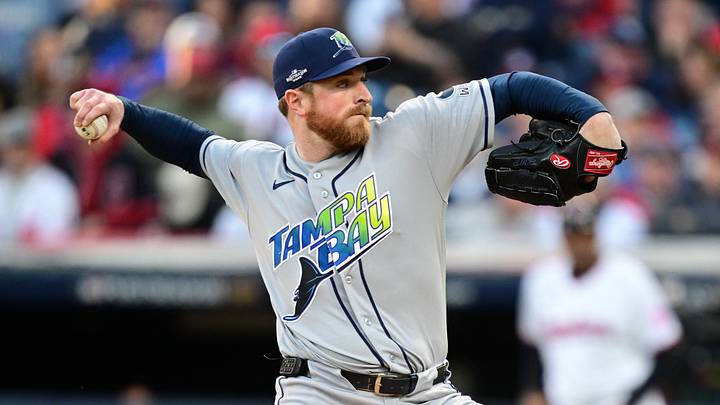
1. Drew Rasmussen, Tampa Bay Rays
Proposed package: Catcher Ty Harvey and right-hander Tucker Musgrove to the Rays.
The offer may feel low at first glance, but Harvey and Musgrove would give the Rays two developmental pieces, while the Padres’ willingness to absorb Rasmussen’s salary would strengthen the offer. Rasmussen belongs on Preller’s call sheet because the Padres should be shopping for someone who can improve the middle of the rotation.
He finished 2026 with a 16-5 record, a 2.67 ERA and a 0.91 WHIP across 172 innings, striking out 174 batters in 30 starts. Who knows if that performance can be replicable for a third straight season. But he’s right up the Padres alley as a guy who successfully converted to a starter and can handle the workload.
We should also retire the assumption that Tampa Bay will hand over a useful starter simply because his salary rises. The Rays get to ask for real talent, too. Keep in mind, this is also contingent on the Rays declining his $20 million option. Odds are that they’ll retain him.
2. Reid Detmers, Los Angeles Angels
Proposed package: Shortstop Elliot Lascelles and left-hander Jagger Haynes to the Angels.
Detmers should interest the Padres because he has already shown he can deliver the innings and strikeouts they need. He finished 2026 with a 3.36 ERA, a 1.04 WHIP and 211 strikeouts across 185 innings in 32 starts. We can dream about what San Diego’s coaches might unlock, but that production already makes a compelling case.
Lascelles and Haynes would be a meaningful offer for the Padres to consider, especially given how quickly trading young talent can thin out future options. San Diego should pay for the pitcher it reasonably expects Detmers to become.
José Soriano would require a separate evaluation and negotiation. Putting both Angels pitchers under the same price tag wouldn’t make much sense. But there’s a valid reason for Preller to inquire about Soriano as well.
3. Nick Lodolo, Cincinnati Reds
Proposed package: Catcher Luis Campusano and right-hander Garrett Hawkins to the Reds
Campusano gives the Reds a major-league catching option with offensive appeal after slashing .265/.363/.433 with eight home runs in 2026. Hawkins adds another arm to the return, while the Padres bet on a rebound from Lodolo, who posted a 4.97 ERA and a 1.48 WHIP with 83 strikeouts across 108 2/3 innings in 21 starts.
That’s a more defensible gamble for San Diego. We can make a case for exchanging catching depth and a young pitcher for rotation help, especially when Lodolo’s recent production gives Preller reason to hold firm on the price.
4. Emerson Hancock, Seattle Mariners
Proposed package: Right-handers Coleman Borthwick and Bryan Balzer to the Mariners
Hancock offers a practical route to rotation innings after posting a 3.57 ERA and a 1.14 WHIP with 126 strikeouts against 32 walks across 138 2/3 innings in 25 starts in 2026. The question is how much San Diego should surrender to get him.
Seattle’s pitching depth doesn’t make Hancock expendable. They have every reason to keep him. Preller can make the call, but we should expect Seattle to put a real price on a starter who already gets outs.
For Preller, including Borthwick would demand a strong belief that Hancock can hold a rotation job over multiple seasons. He’s worth pursuing, but the Mariners typically have strong evals of their homegrown talent, and moving a breakout arm won’t come cheap.
Hancock is worth pursuing. The proposed price including their 2026 first-round pick deserves its own scrutiny. The Padres need several workable answers this winter. Preller’s challenge is finding them at prices that leave enough talent and money to finish the roster.
 Add us as a preferred source on Google